

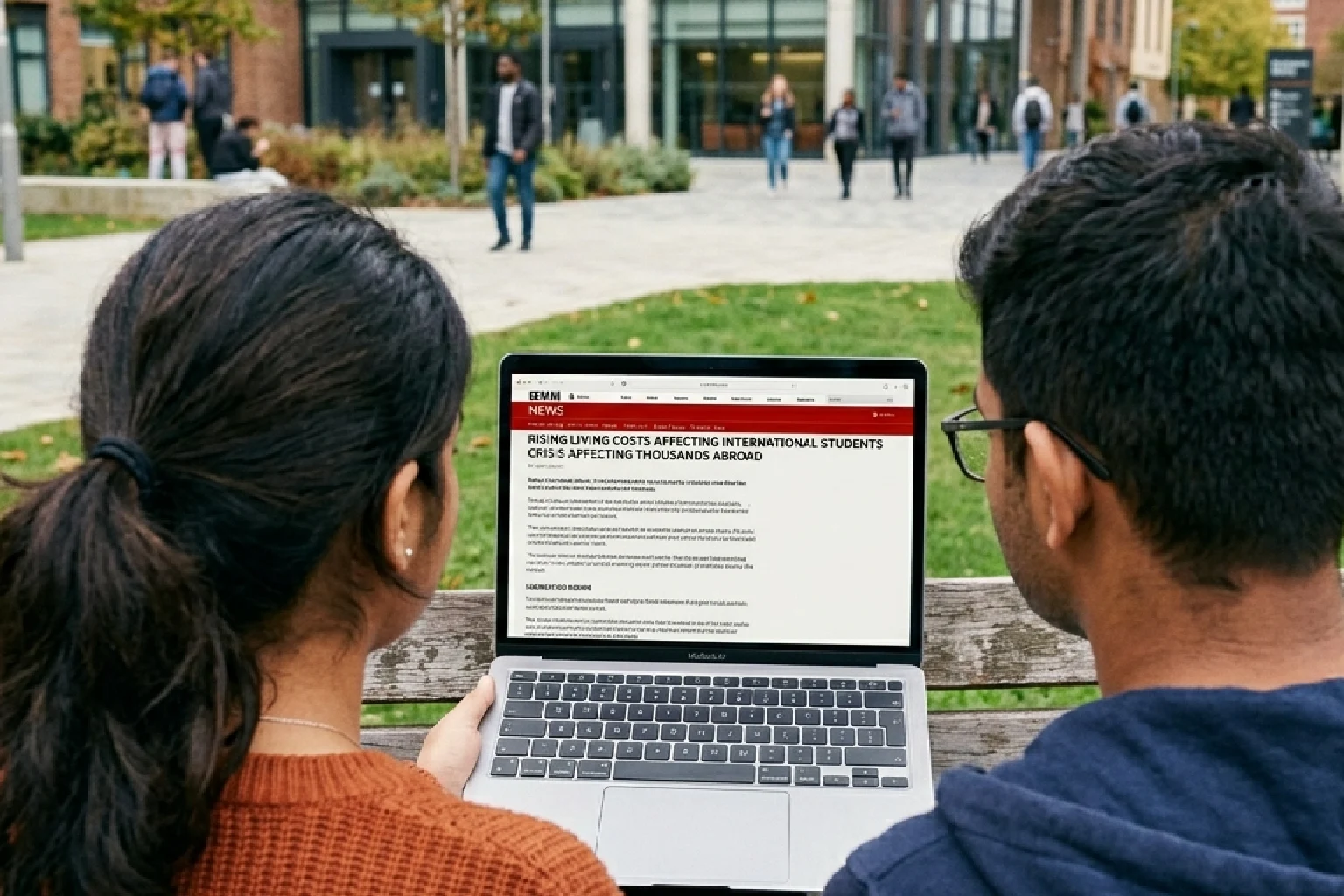
Canada is moving toward a more controlled and selective international student system, following new recommendations from the Standing Committee on Citizenship and Immigration (CIMM).
Canada is shifting from a high-volume international student model to a quality-focused system. This means fewer students—but stronger profiles, higher financial requirements, and stricter compliance checks.Team Rajveer Chahal
What’s Changing in Canada’s Student System – Quick Overview
| Change | What It Means | Impact |
| Higher Cost-of-Living Requirement | Increase beyond current threshold | Higher financial proof needed |
| Country-Based Caps | Limits for high asylum-claim countries | More competition for some applicants |
| Fraud Control Measures | Stricter checks on students & colleges | Reduced misuse of study permits |
| Provincial Control | More power to provinces | Different experience by province |
Why Canada Is Tightening the System
The international student program expanded rapidly in recent years, putting pressure on housing, education quality, and public services.
- Colleges increased enrollment without proper infrastructure
- Housing shortages impacted student living conditions
- Concerns over low-quality programs emerged
- Over 150,000 potential non-compliance cases identified
These issues pushed policymakers to rethink the system and focus on sustainability rather than volume.
Higher Cost-of-Living Requirement
One major recommendation is to increase the financial requirement for international students beyond current levels.
| Year | Required Funds |
| Before 2024 | $10,000 |
| 2026 | $22,895 |
- Ensures students can support themselves
- Reduces illegal work beyond permitted hours
- Filters out financially unprepared applicants
However, this could also make Canada less accessible for genuine students with limited financial resources.
Possible Caps on Indian & Nigerian Students
Another major recommendation is to introduce country-based limits for study permits.
| Country | Asylum Claims (Recent Data) |
| India | Highest |
| Nigeria | Second highest |
| Guinea | Also significant |
- Aims to reduce misuse of study permits
- Targets countries with high asylum claim rates
- May increase scrutiny for applicants
This move is controversial as it may reduce fairness and limit opportunities based on nationality.
Stricter Rules for Colleges & Fraud Prevention
The report highlights serious issues with some institutions prioritizing revenue over education quality.
- Some colleges offered low-value programs
- Students faced poor living conditions
- Teaching quality and resources were stretched
Future measures may include stricter regulation of designated learning institutions (DLIs) and improved compliance monitoring.
More Power to Provinces
Provinces are expected to play a larger role in managing international student intake.
- Better control over local infrastructure
- Balanced distribution of students across regions
- Different opportunities depending on province
This means students must carefully choose not just Canada—but the right province and institution.
What This Means for Students
- Higher financial requirements before applying
- More competitive and selective admissions
- Greater scrutiny during visa processing
- Stronger importance of choosing the right college
Final Thoughts: Canada Is Becoming More Selective
Canada is not closing its doors—but it is raising the bar. Students who prepare financially, choose the right institutions, and follow compliance rules will still find strong opportunities.Team Rajveer Chahal